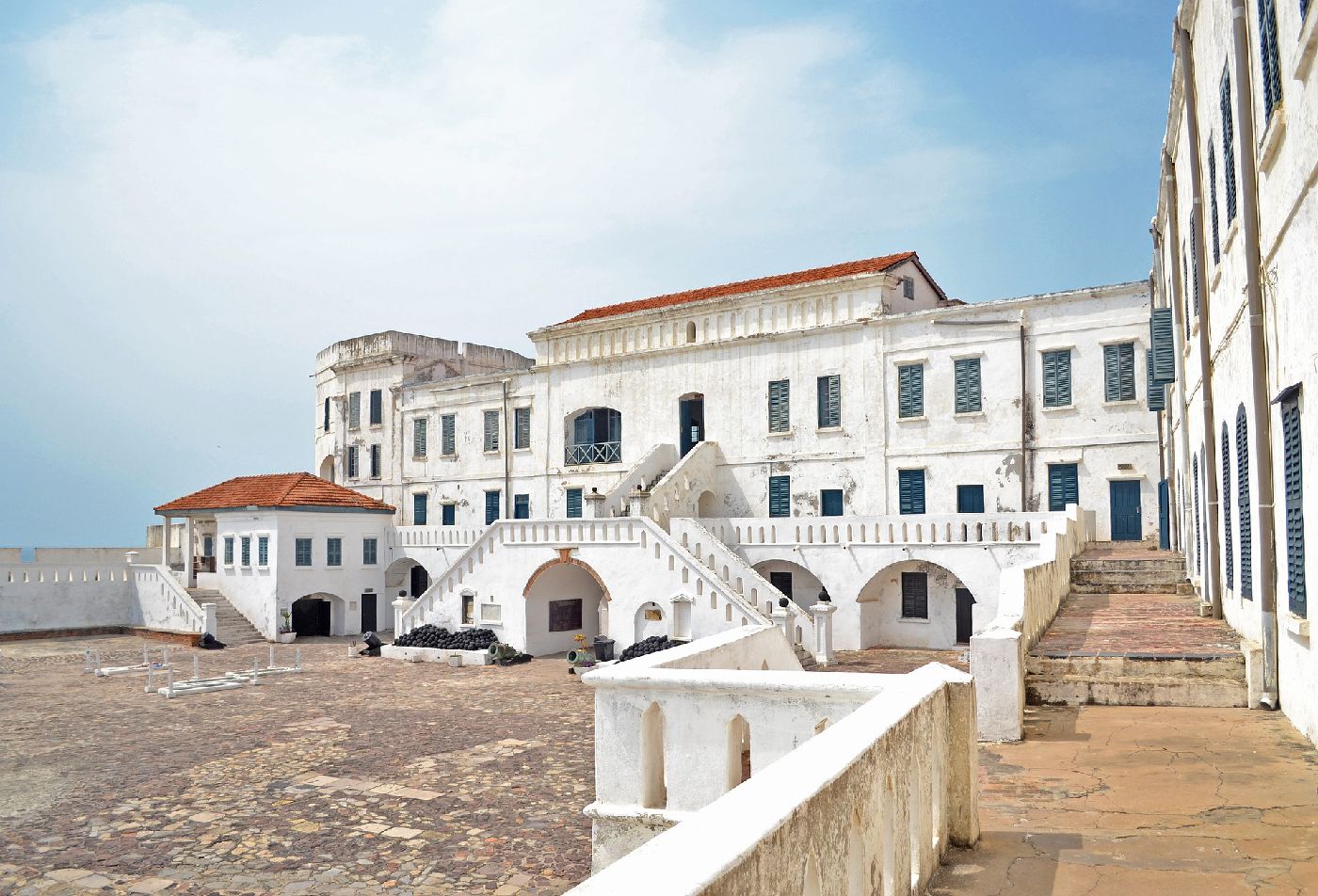
The biggest of the structures housing remnants of the transatlantic slave trade, Cape Coast Castle is a UNESCO World Heritage Site. Cape Coast Castle, like the majority of Ghana's historic defenses, was crucial to the slave and gold trades. The introduction of Christianity and the creation of the first formal educational system the Castle Schools—also made major contributions to this area.
A guided walk of the Cape Coast Castle will acquaint you with its many fascinating features including Dalzel Tower, the slave dungeons, and the cannons and mortars used in the Castle's defense. Within Cape Coast Castle is the West African Historical Museum, which houses a developing collection of artwork and cultural relics, including ritual drums.
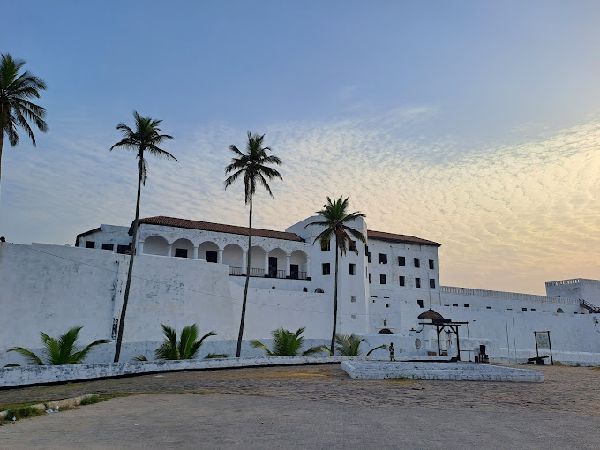
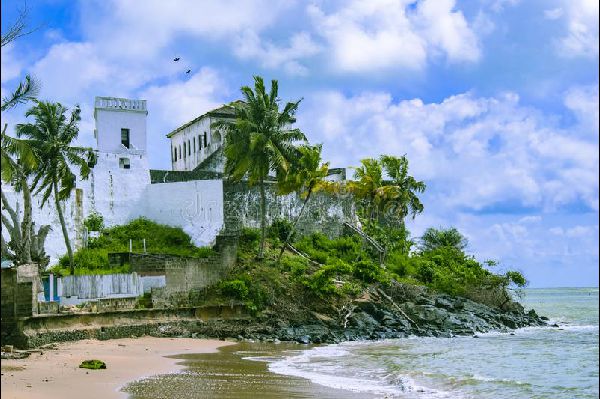
The Portuguese established St George's Castle as a trading post in 1482, and the Dutch took control of it in 1637. It is now a Unesco World Heritage Site. When slaves took the place of gold as the primary trade good, it was enlarged, and storerooms were turned into dungeons. The educational tour, which is included in the admission price, leads you through the dreadful dungeons, punishment cells, Door of No Return, and the turret chamber where the British imprisoned the Ashanti monarch Prempeh I for four years.
The first trading station on the Gulf of Guinea was Elmina Castle, which makes it the oldest European structure still standing in sub-Saharan Africa. Elmina, which is close to Cape shore on Ghana's shore, is also a charming fishing community.

DO YOU WANT A REFRESHING VIW OF WHERE OUR COLONIZERS LIVED THIS IS JUST THE PLACE.